Seagull Cottage
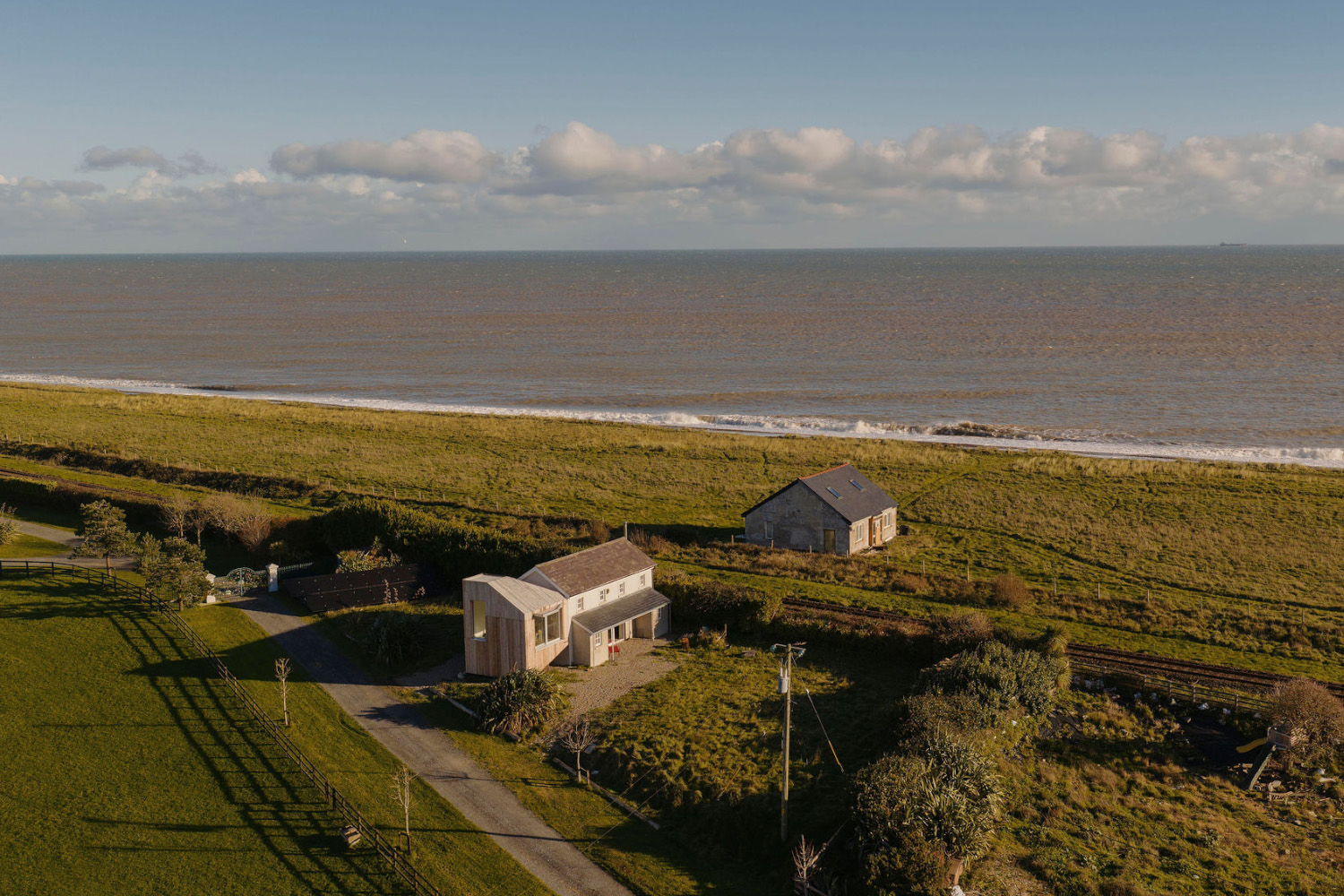
The site is in a Proposed Natural Heritage Area (The Murrough) and sits just outside the boundary of The Murrough Special Protection Area (Site No. 4186) and The Murrough Wetlands Special Area of Conservation (Site No. 2249), which hosts a range of habitats from saltmarshes and shingle beaches to reedbeds and wet woodlands. The Dublin-Rosslare train line is located to the east of the cottage and beyond the train line is the Irish Sea.
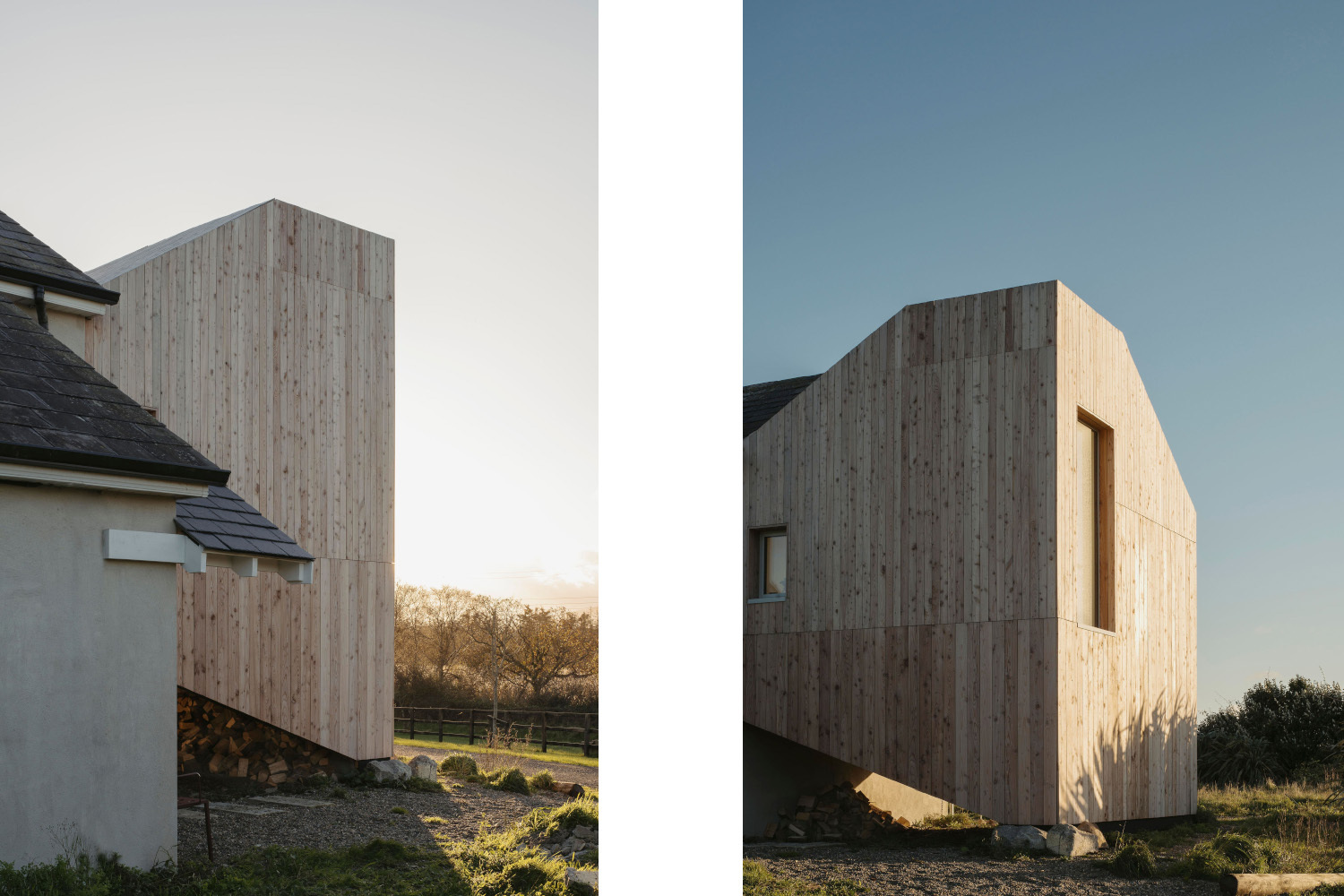
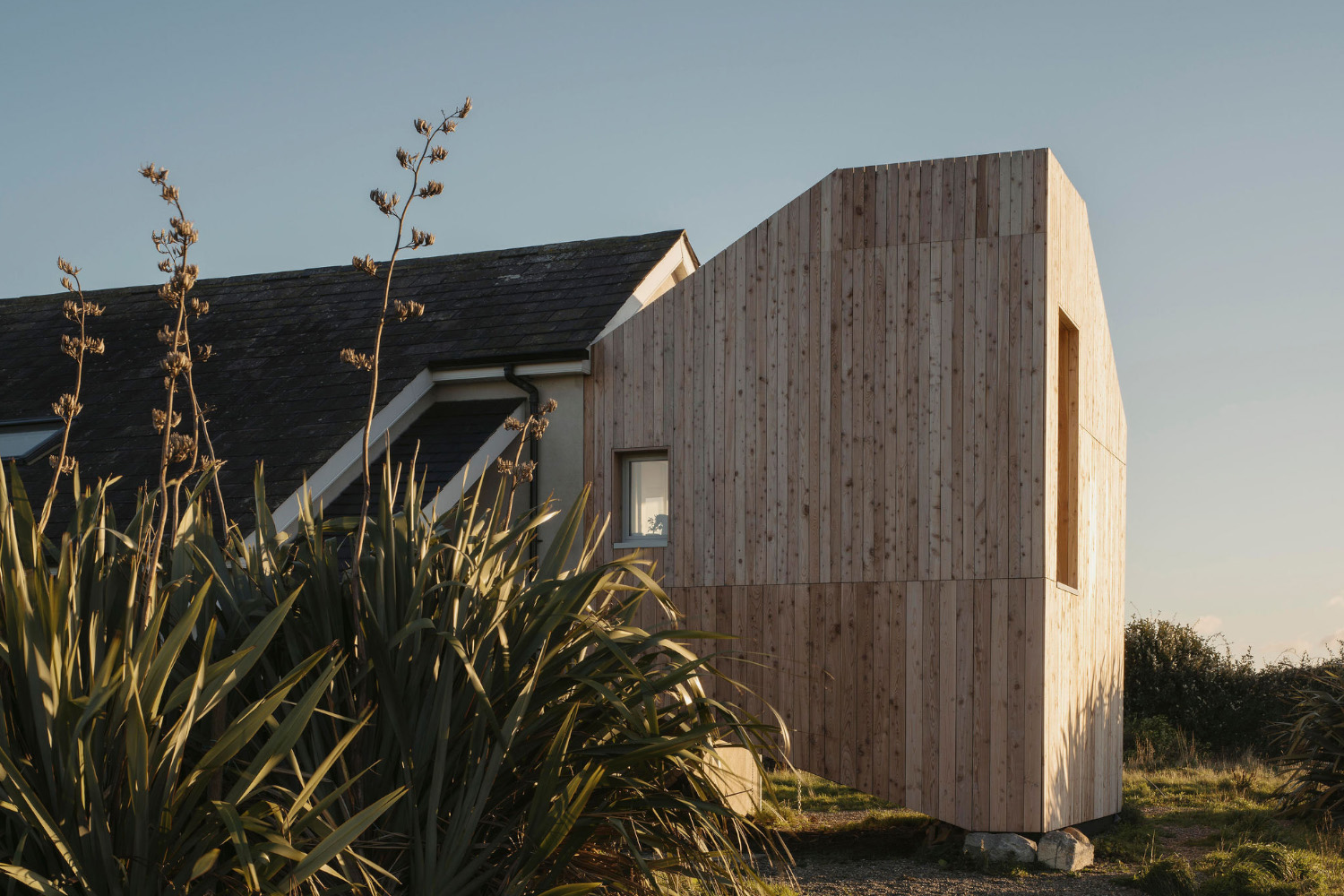
The building itself is two former 19th century railway cottages which have been previously renovated into one. It is constructed from stone with a slate roof, and two blockwork porches to the front which have been added at a later date.
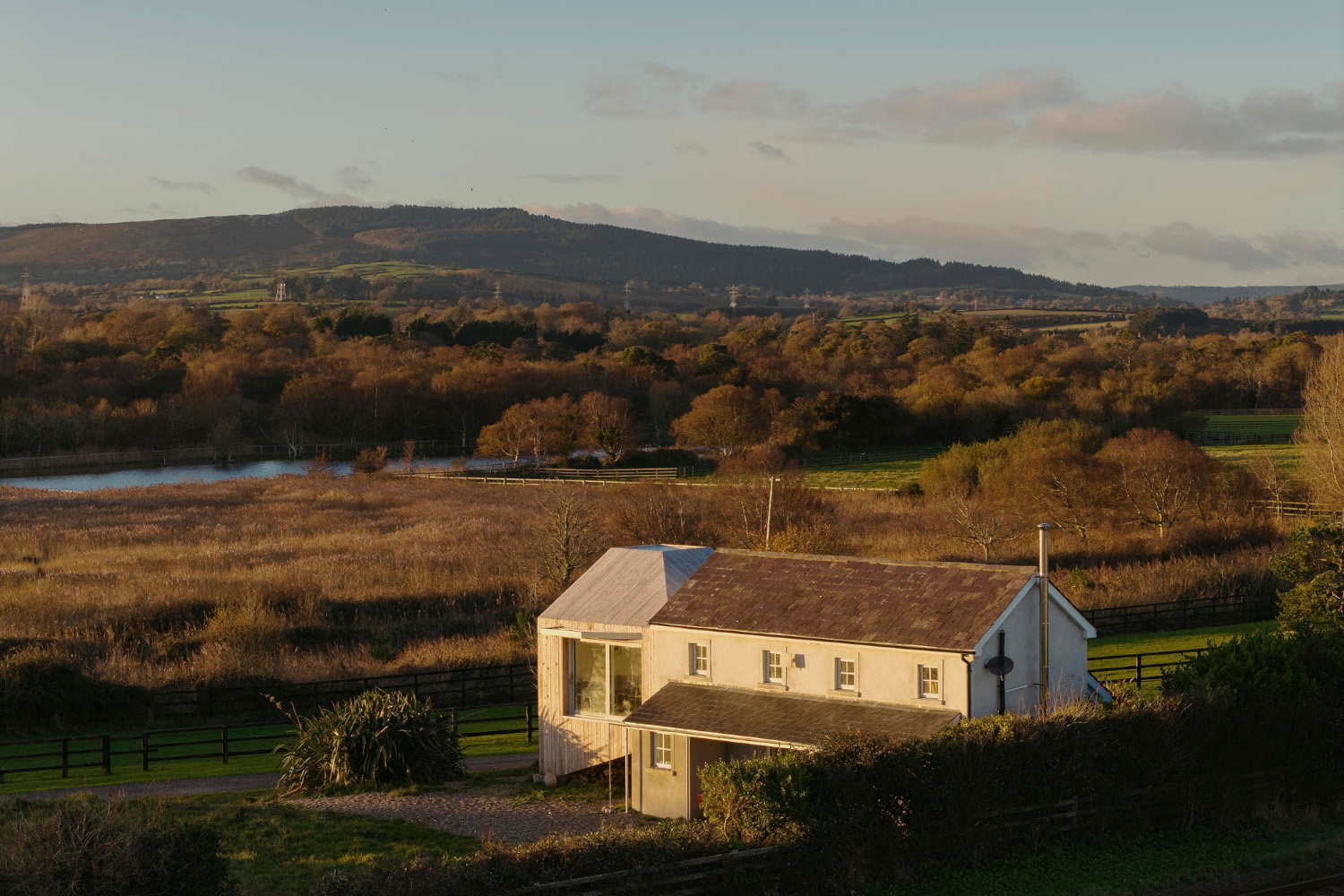
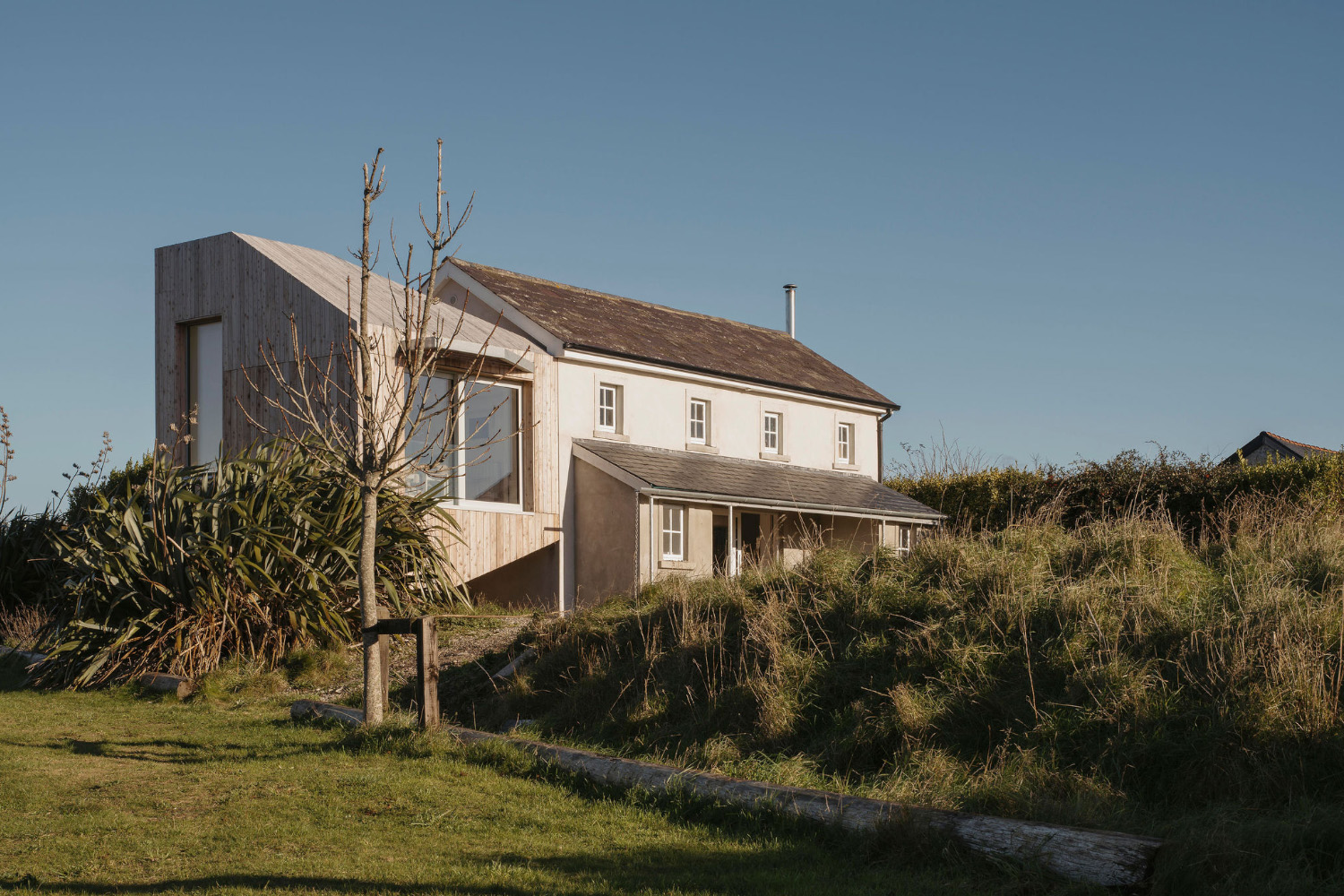
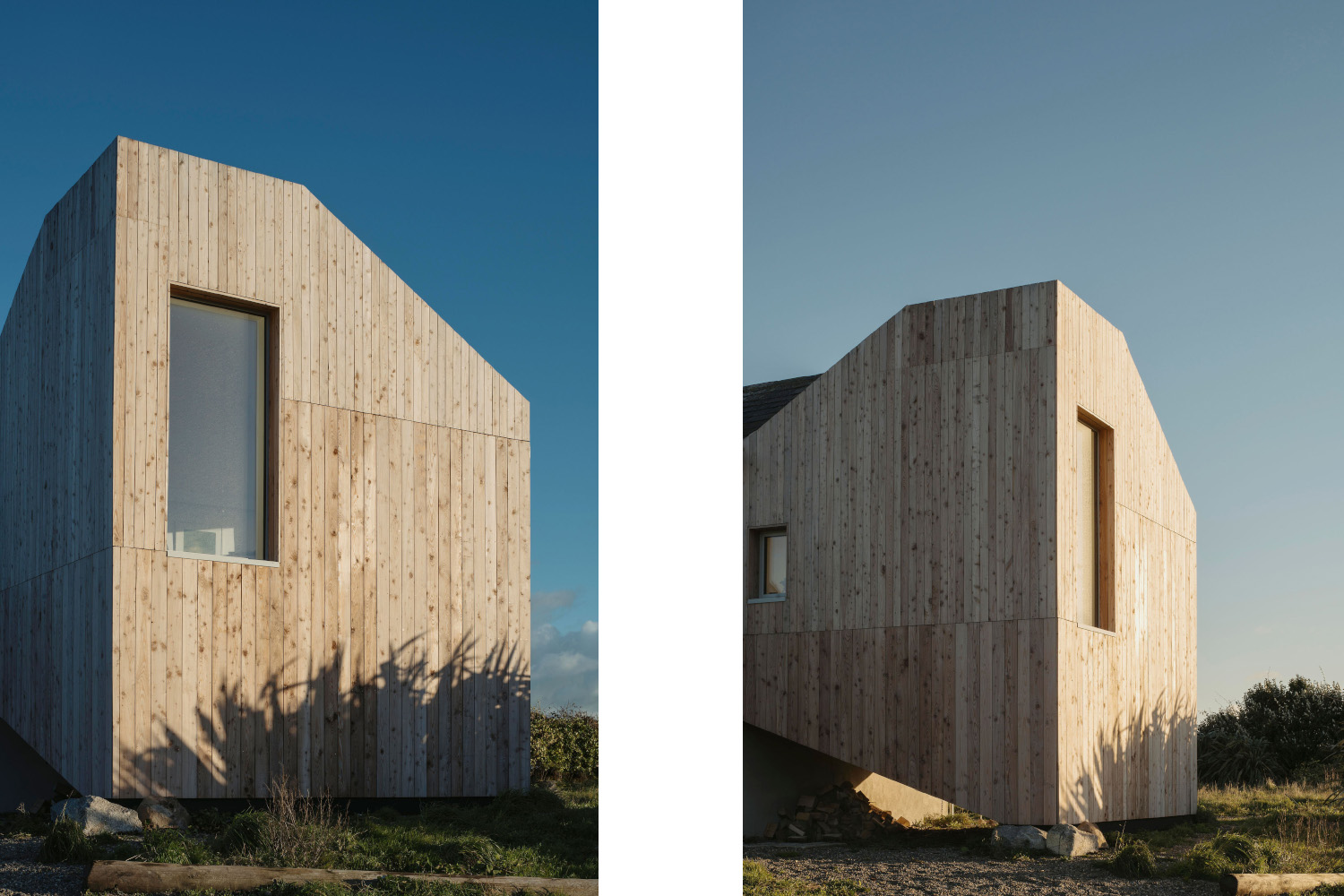
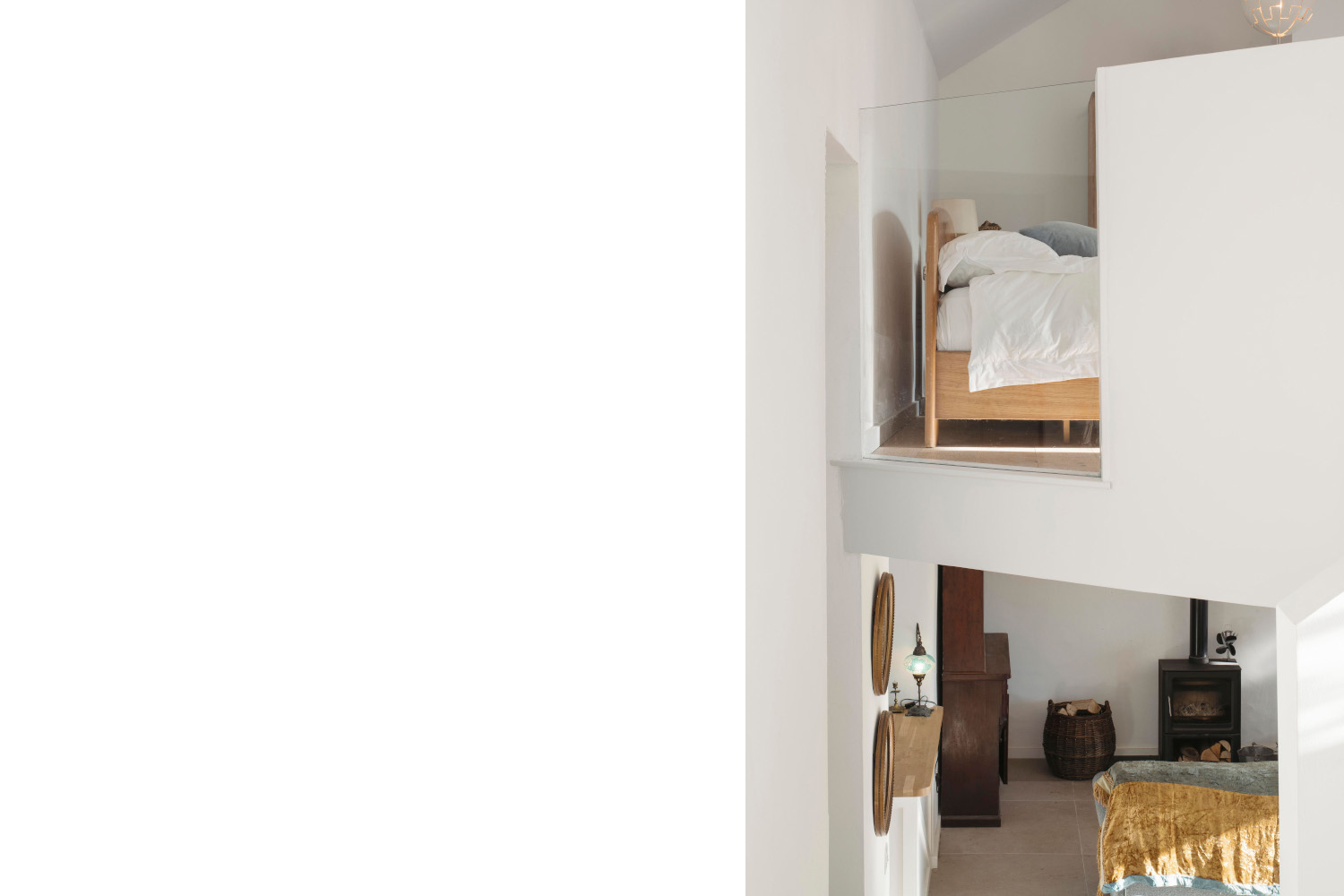
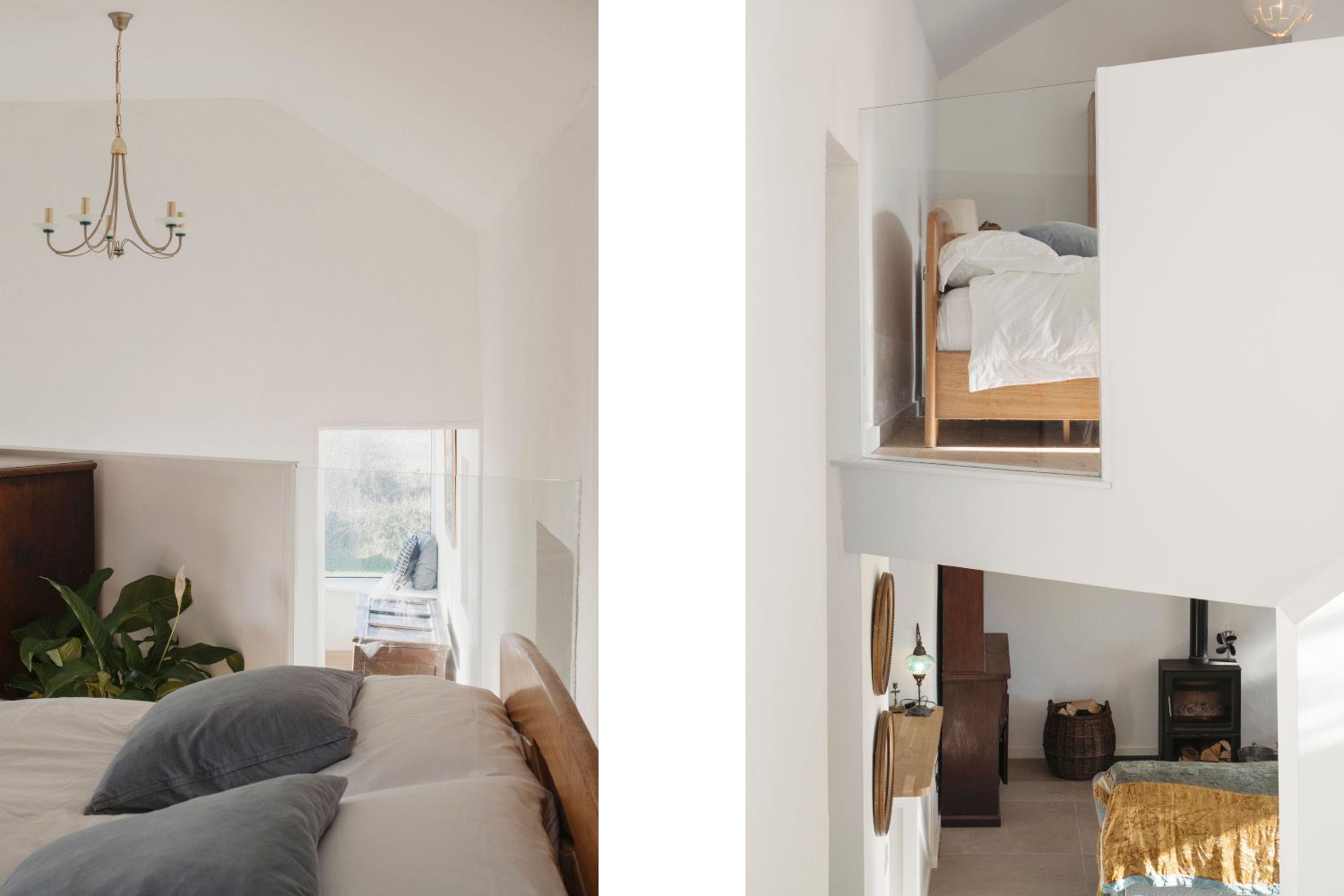
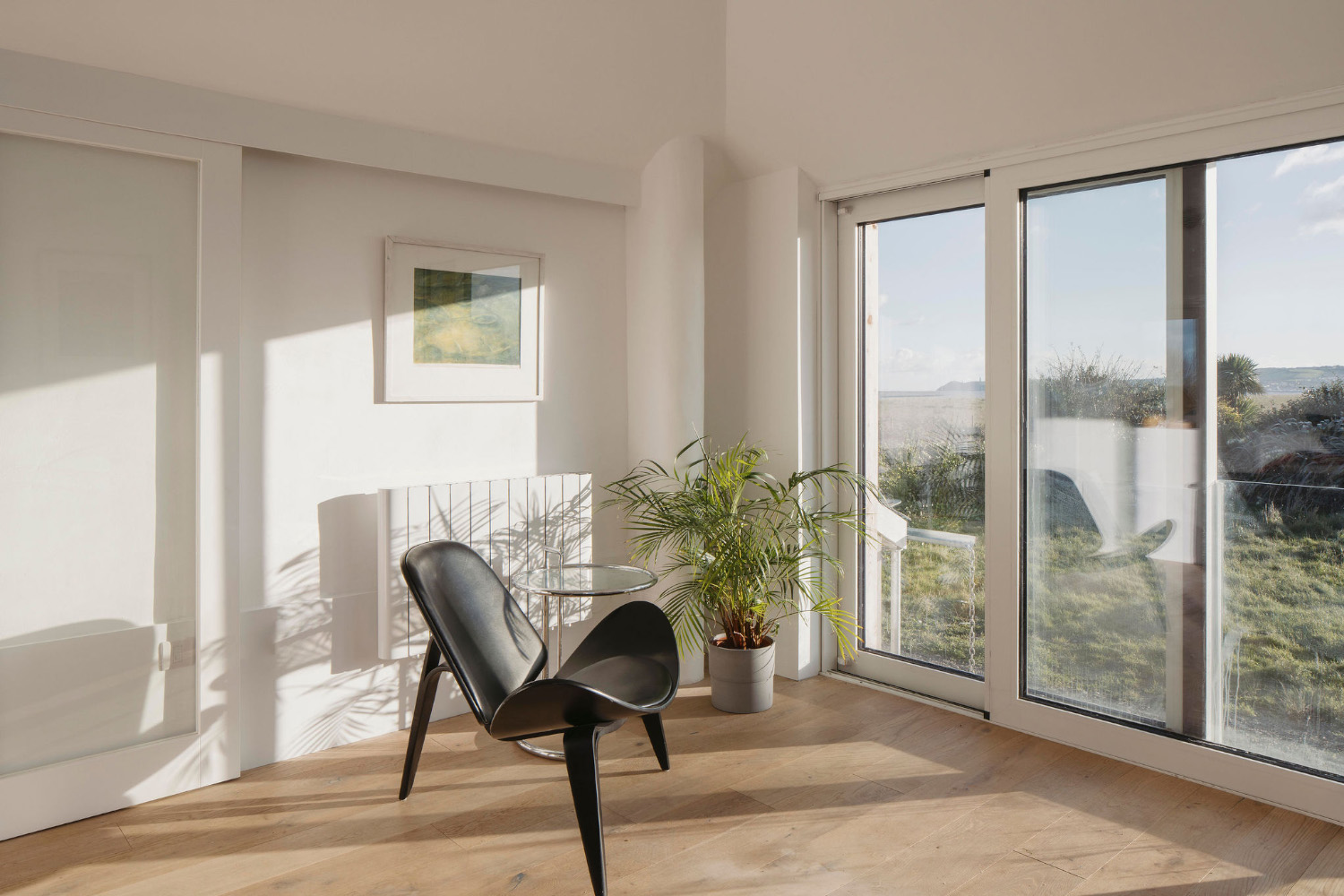
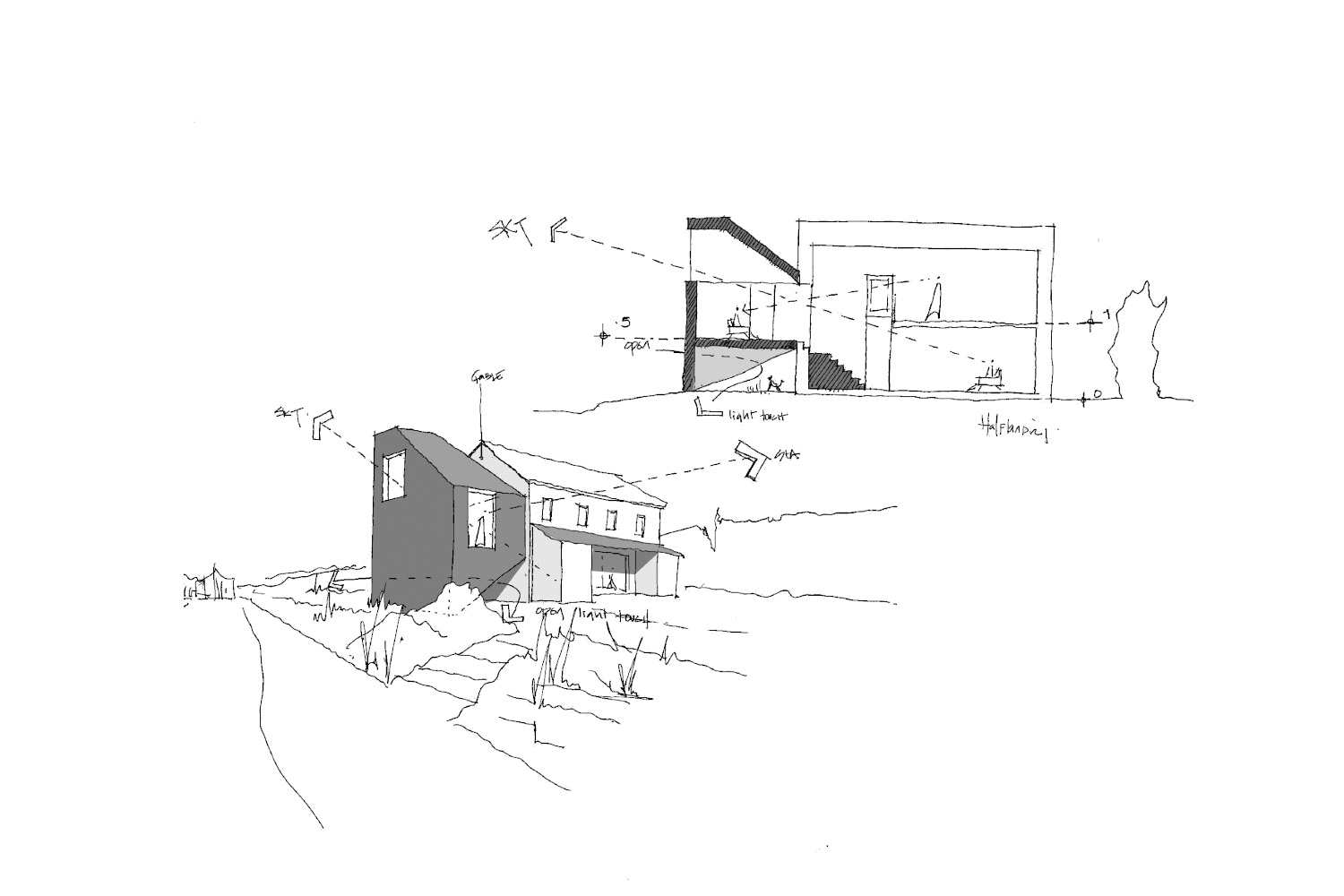
The proposal seeks to upgrade the fabric and layout of the existing cottage, while also providing a new living space with increased light and views in the form of a modest 13m2 extension that touches the ground lightly and sits alongside the existing in a harmonious relationship.
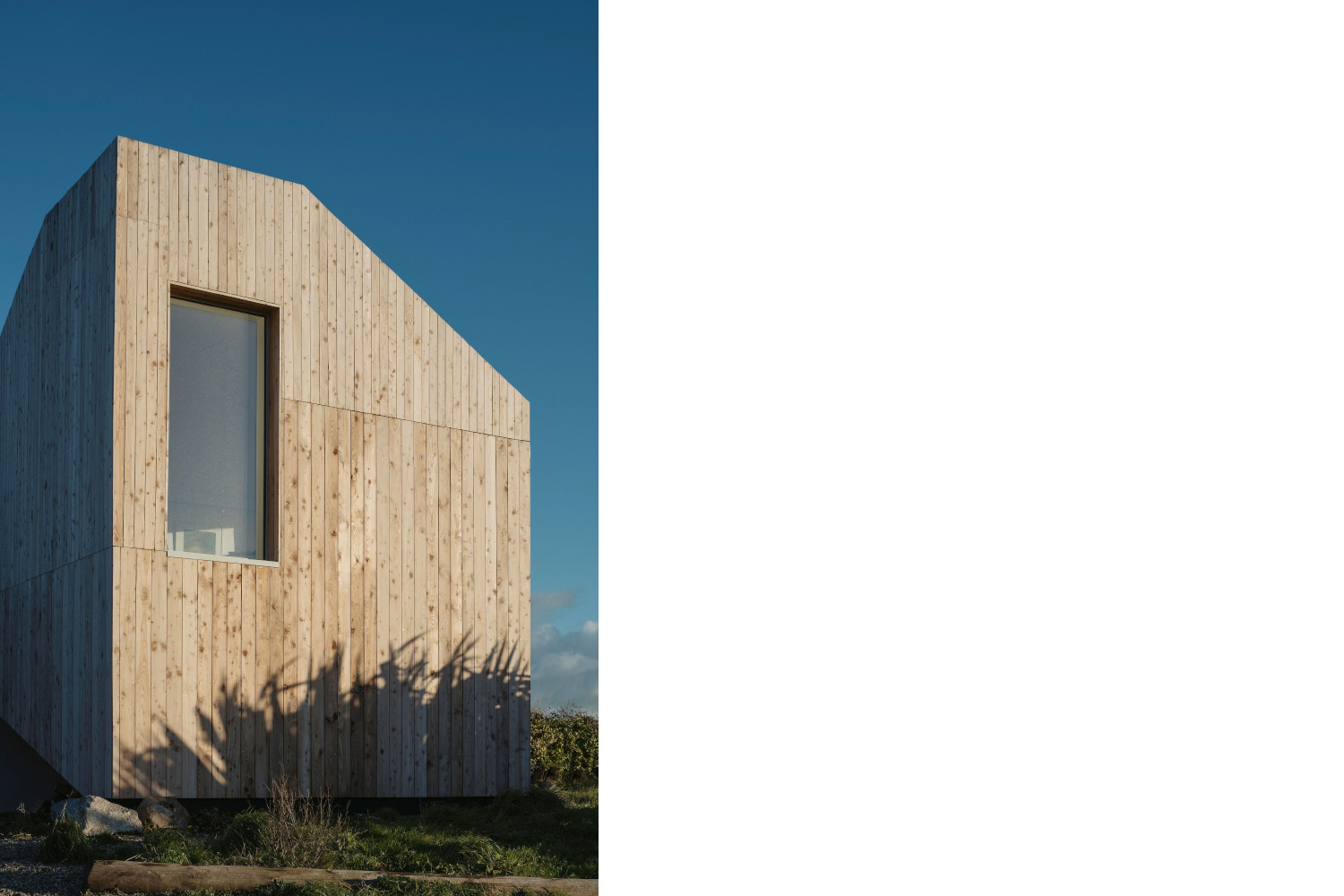
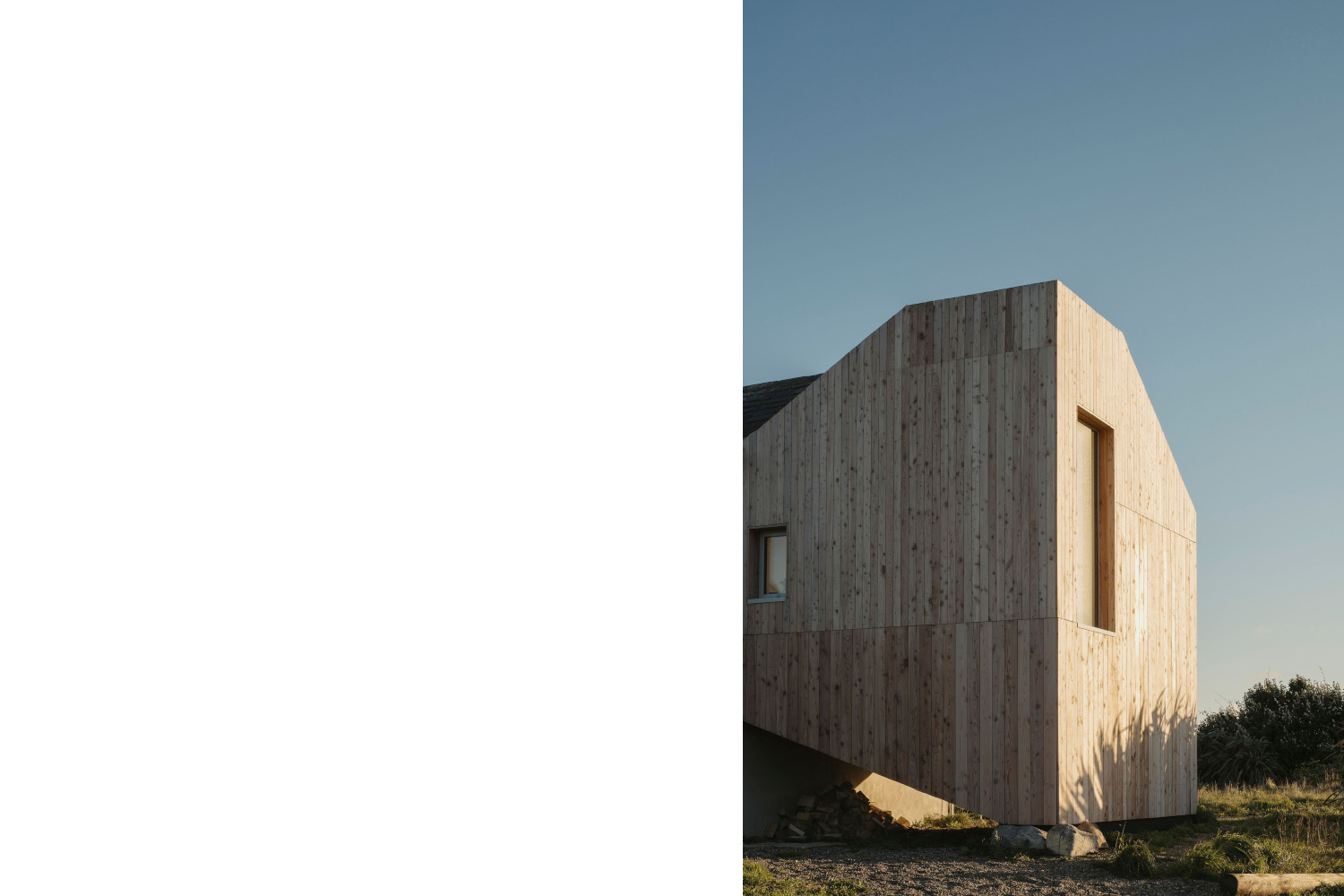
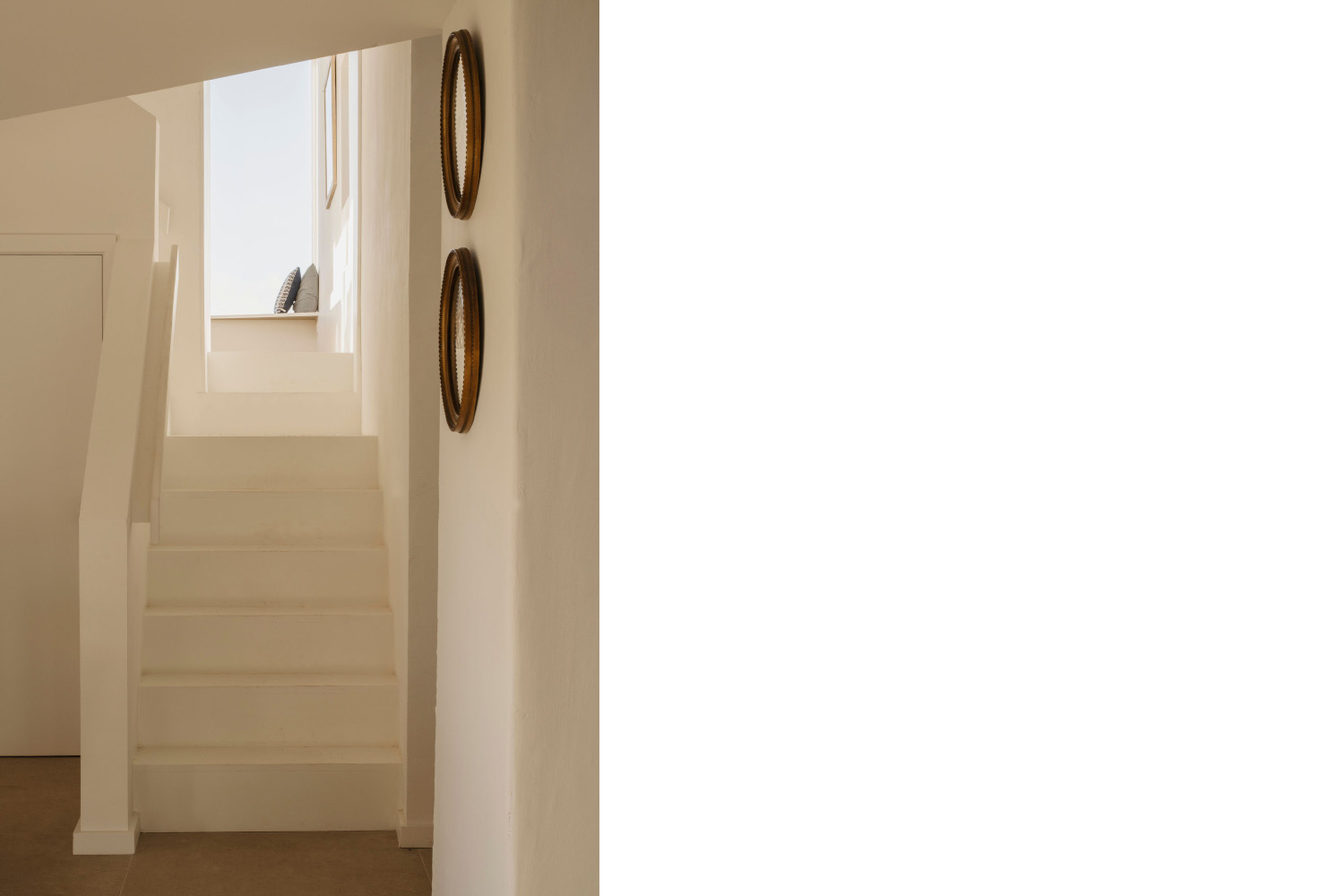
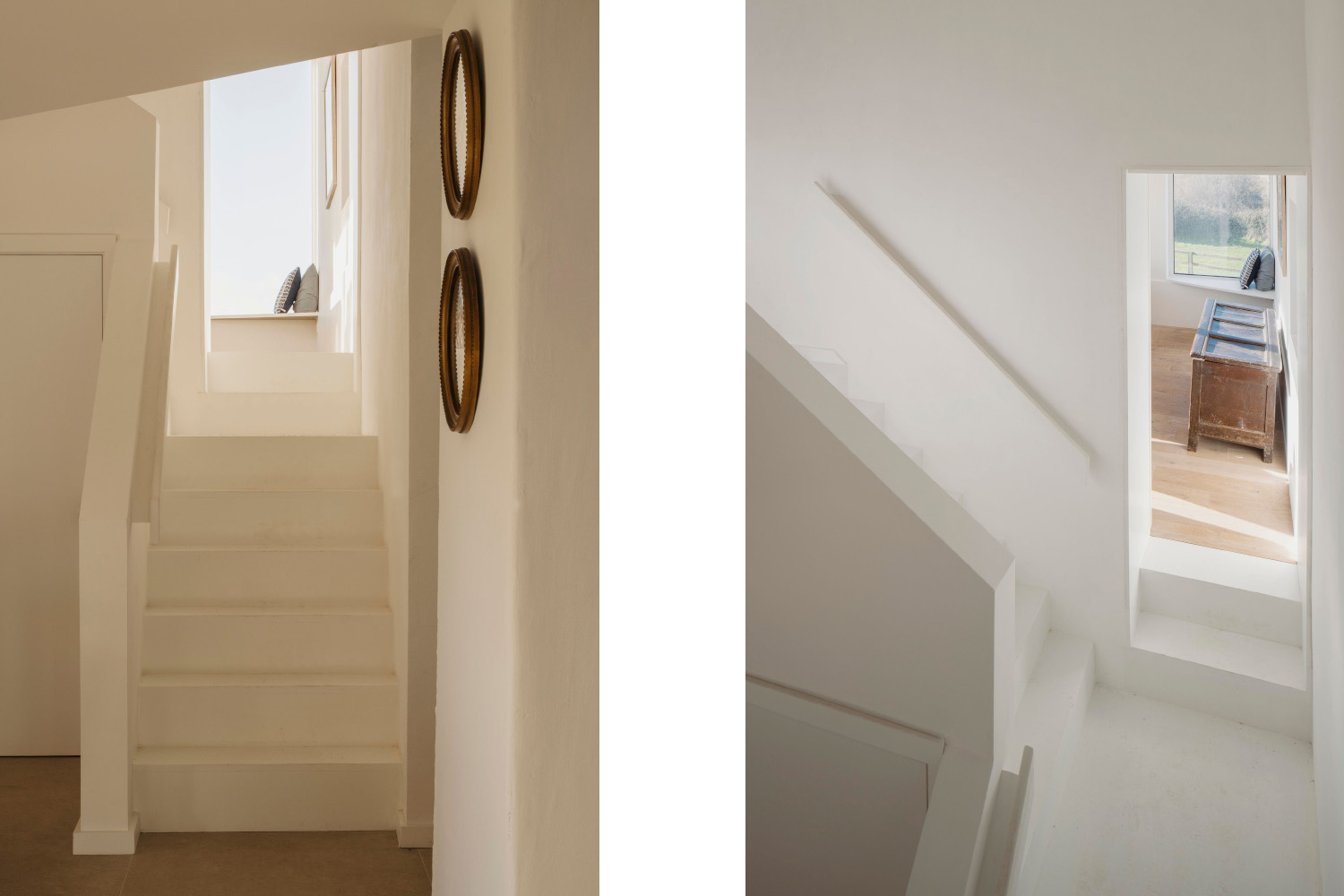
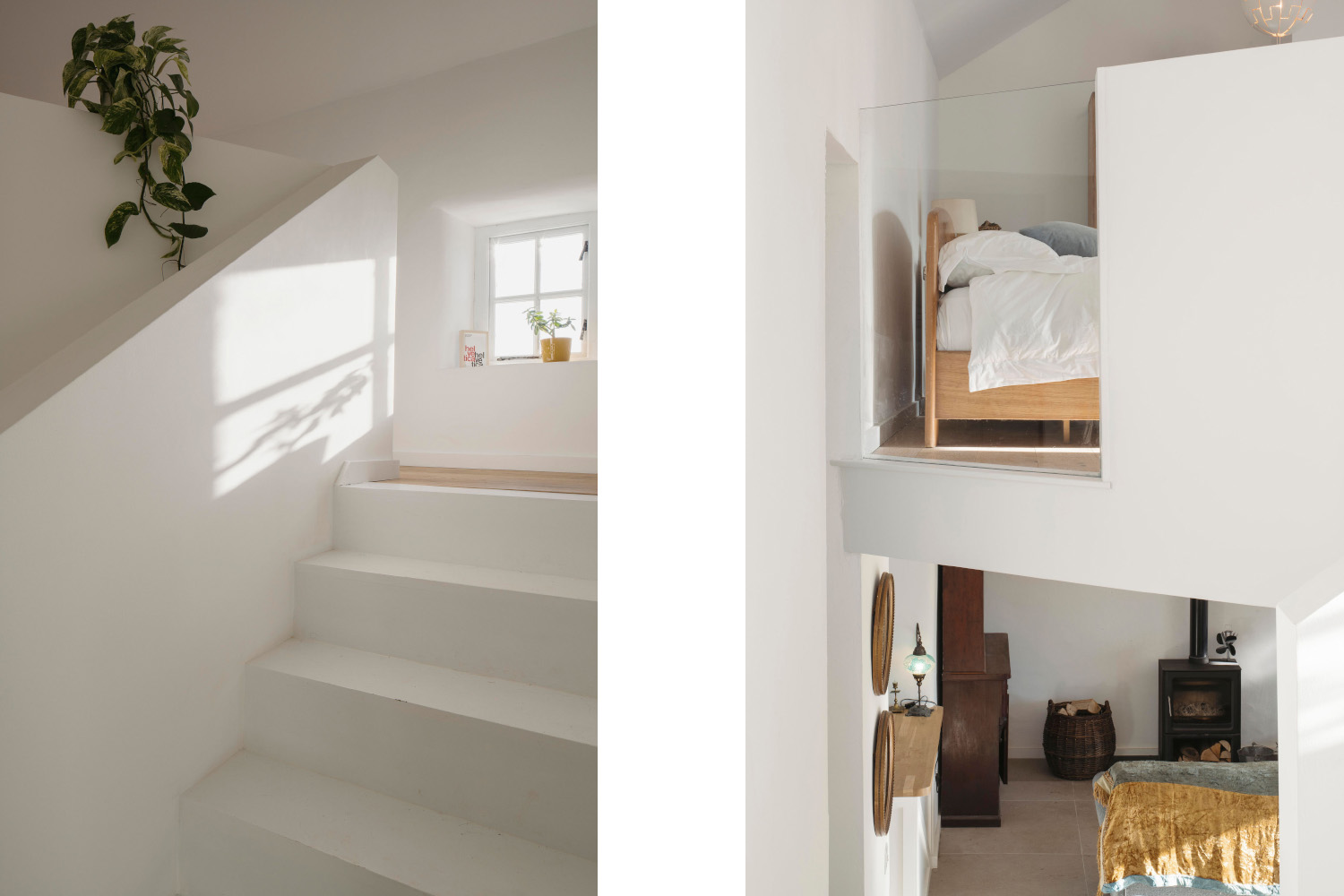
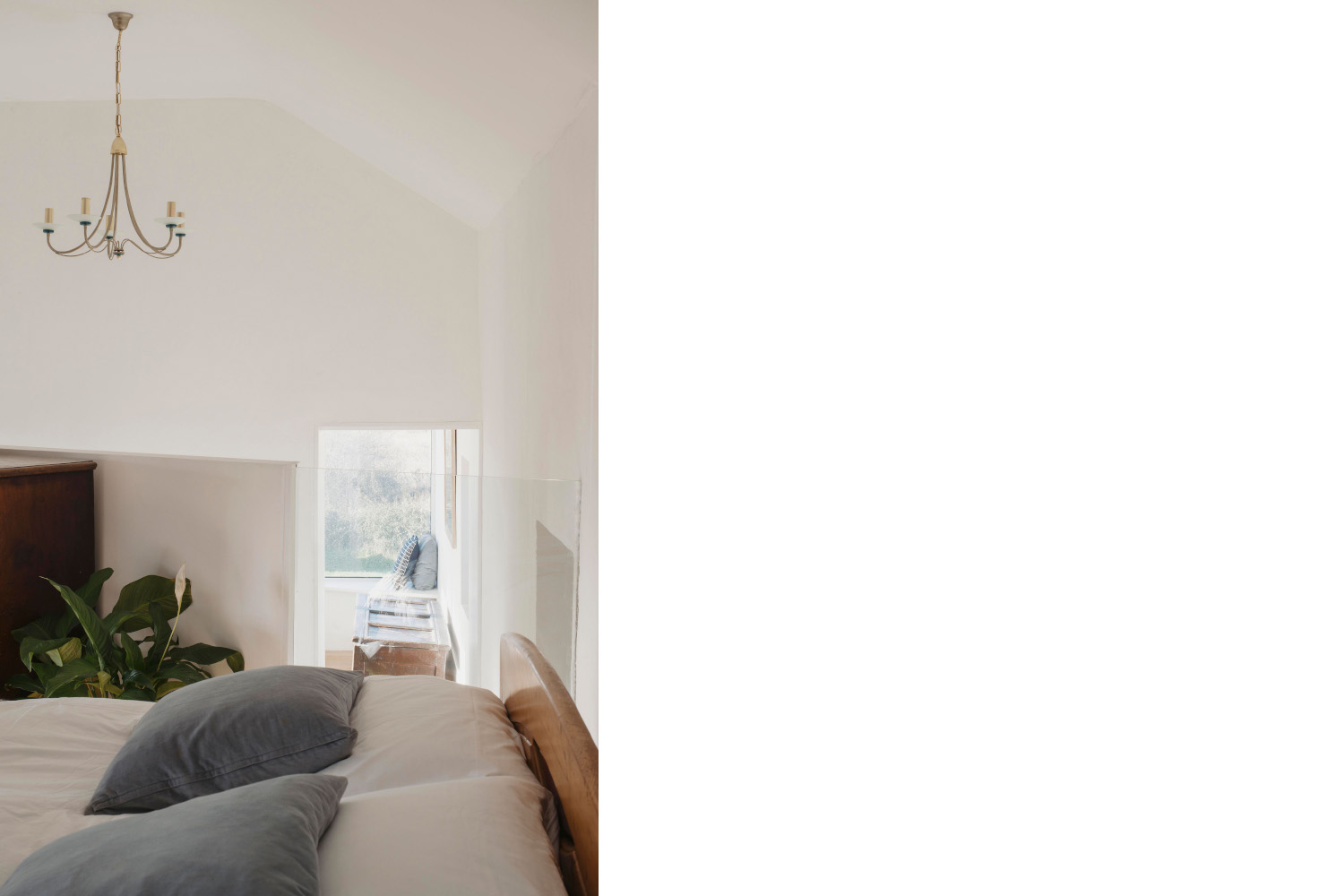
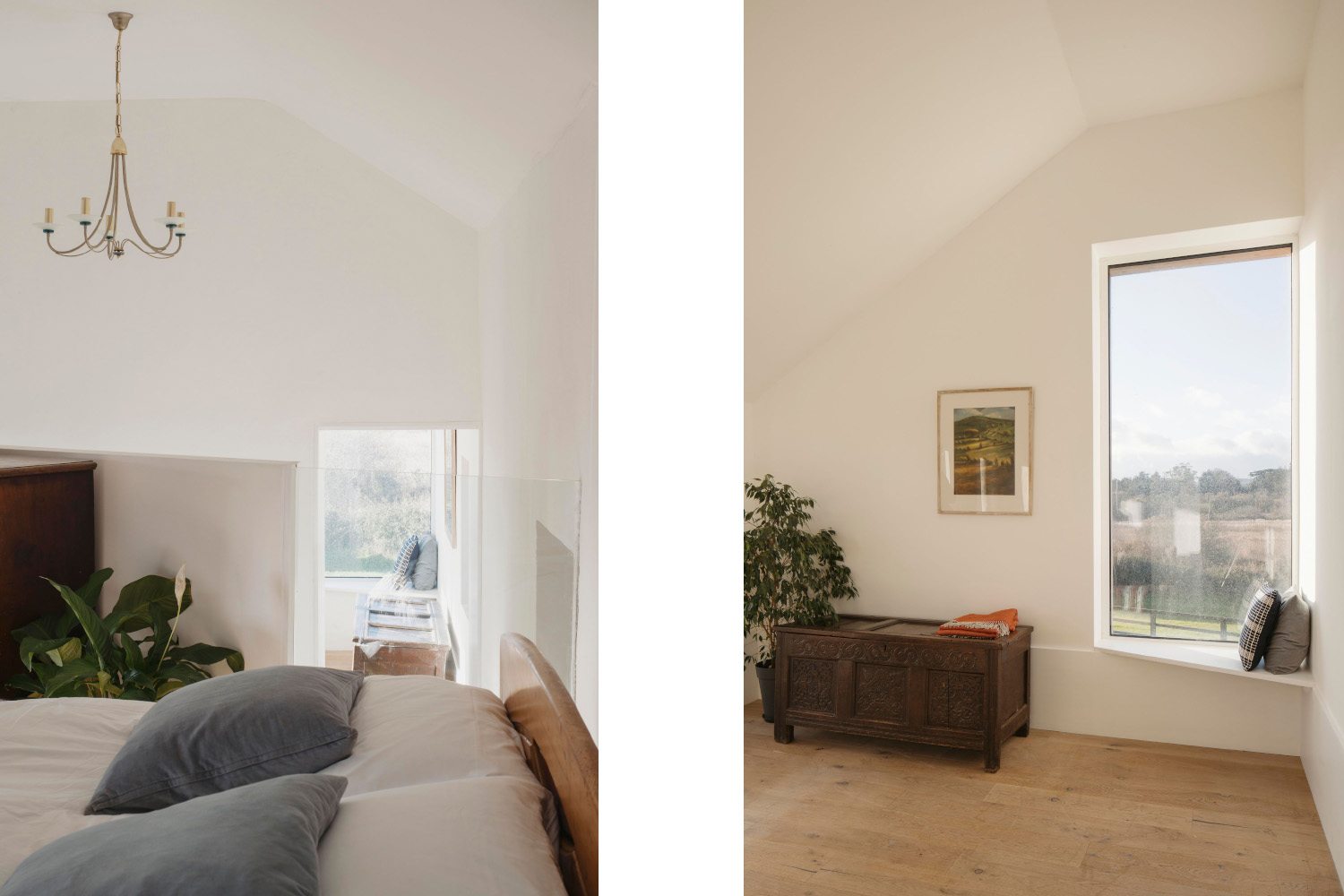
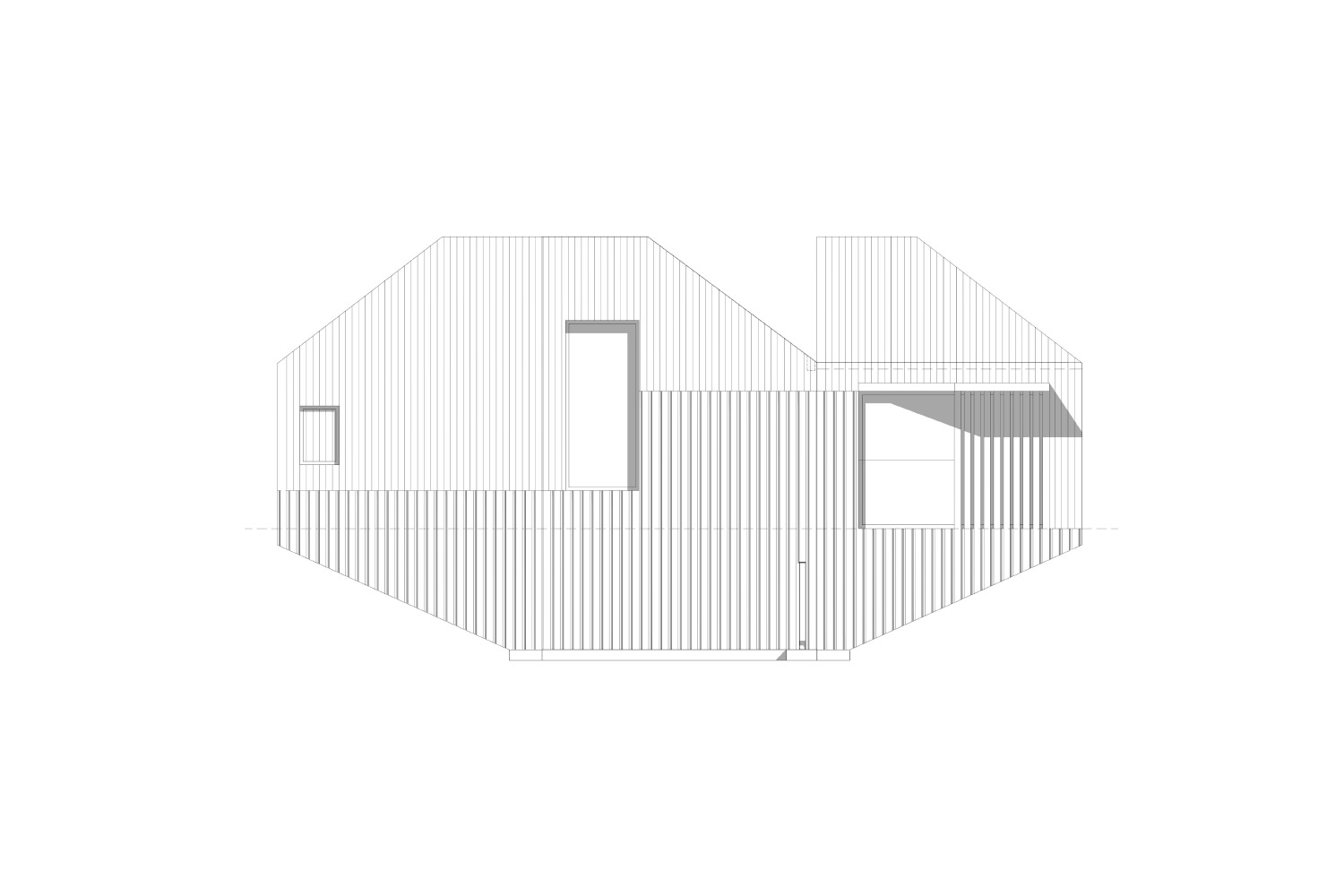
Although the existing cottage is south facing, the small windows result in poor views and poor lighting conditions. The design response was to create a new living space on a half-level between ground and first floor, which takes advantage of the available views south to the sea and west to the sunset, while also not overshadowing or dominating the proportions of the existing cottage. By sloping the roof of the new extension away from the existing gable, the form and character of the original building is left visible. The new extension is supported by the cottage gable end but stands as its own entity. The pitched roof gives a sense of volume and generosity to the interior, despite the small footprint, and foundations are minimal with only one wall touching the ground.
The architecture takes its inspiration from bird hides and railway architecture, as well as Irish agricultural buildings. The extension emulates the bird hide in the way that is raised off the ground and appears to float, taking in expansive views of the surrounding landscape, while the canopy roofs and materiality reference the railway architecture of the cottage’s origins and agricultural setting of the building.